
Urinary incontinence is something many women experience, yet it is rarely talked about openly. Whether it is a small leak when you laugh or a sudden urge you cannot control, these moments can feel embarrassing and frustrating. Over time, they may even impact your confidence, limit activities you enjoy, or make everyday outings stressful.
The good news is that urinary incontinence is not something you just have to live with, and it is certainly not “just part of aging.” With today’s advanced, non-surgical treatments, there are effective ways to regain control and improve your quality of life.
What is Urinary Incontinence?
Urinary incontinence refers to the involuntary leakage of urine. While it may vary in severity, it is more common than many people realize and can affect women at any stage of life.
There are a few main types:
- Stress incontinence: Leakage triggered by pressure, such as coughing, sneezing, laughing, or exercising
- Urge incontinence: A sudden, intense need to urinate followed by leakage
- Mixed incontinence: A combination of both stress and urge symptoms
Understanding the type of incontinence you are experiencing is the first step toward finding the right treatment. The encouraging part is that all forms are manageable with the right approach.
What Causes Urinary Incontinence?
There are several factors that can contribute to urinary incontinence, many of which are a natural part of life:
- Pregnancy and childbirth, which can stretch and weaken pelvic muscles
- Hormonal changes, especially during menopause
- Aging, which can reduce muscle strength and tissue elasticity
- Pelvic floor dysfunction
One of the most common underlying causes is weakened pelvic floor muscles. These muscles play a critical role in supporting the bladder and controlling urine flow. When they lose strength, control becomes more difficult, leading to leakage.

How It Affects Daily Life
Urinary incontinence is not just a physical issue. It can also have a real impact on your daily life. Many women find themselves avoiding exercise, skipping social events, or constantly worrying about finding the nearest restroom.
It can also lead to feelings of embarrassment or self-consciousness, making it harder to fully enjoy everyday moments. Over time, this can affect confidence and overall well-being.
That is why addressing the issue early is so important, not just for physical health, but for emotional comfort too.
Treatment Options: A Modern, Non-Surgical Approach
VTone: Pelvic Floor Strengthening
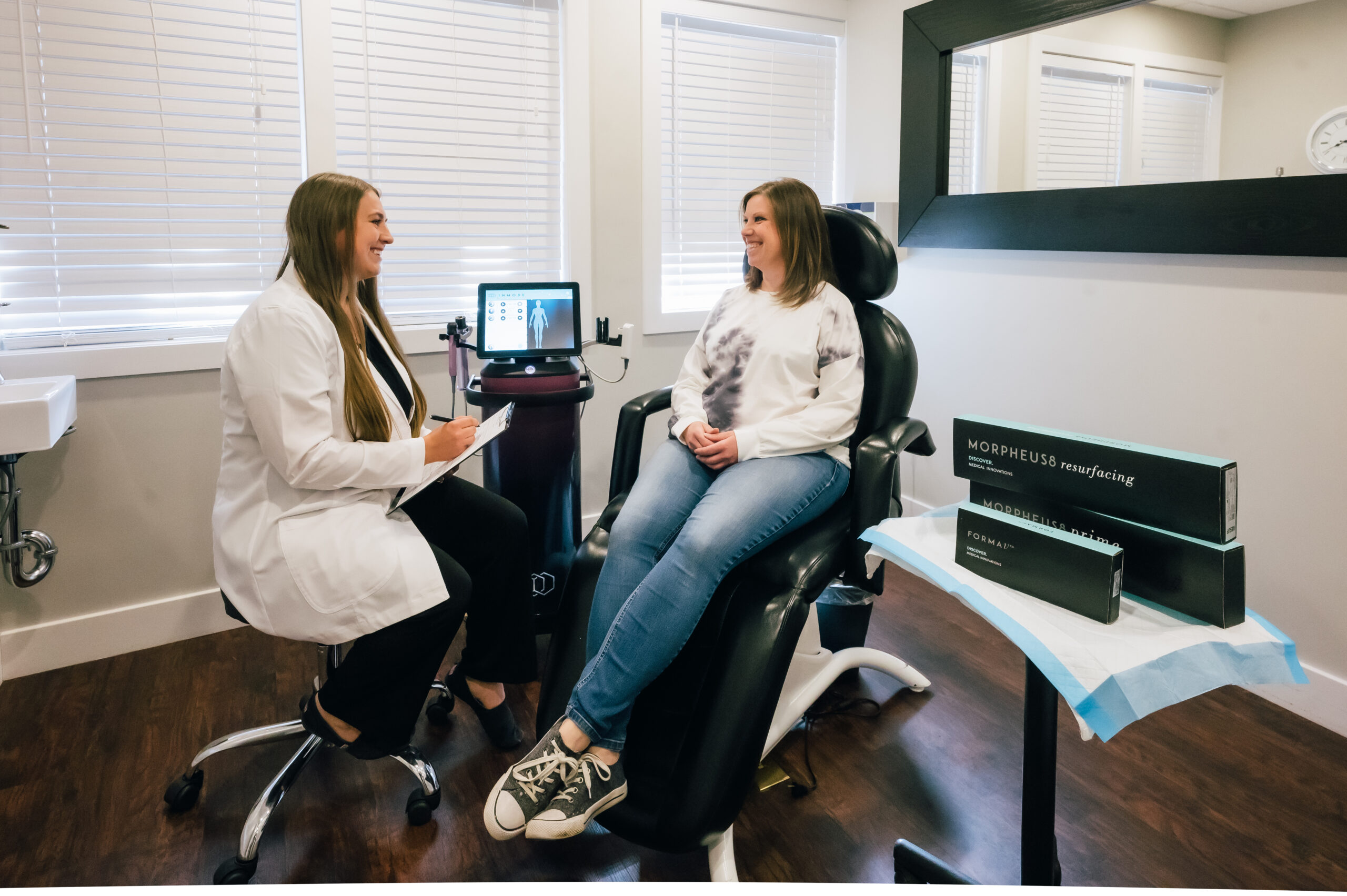
VTone is a non-invasive treatment designed to strengthen the pelvic floor using electrical muscle stimulation (EMS). This technology helps retrain the muscles responsible for bladder control, improving strength and coordination over time.
How VTone Works
During treatment, a comfortable applicator is placed internally. It delivers gentle electrical pulses that cause the pelvic floor muscles to contract—similar to doing targeted exercises, but more effectively.
Each session is customized to your comfort level and muscle strength, gradually helping you build better control. Over time, this leads to reduced leakage and improved bladder function.
Additional Complementary Treatments
FormaV (Radio Frequency Therapy)
FormaV uses gentle radio frequency energy to heat tissue, which stimulates collagen production and improves overall tone. This helps increase blood flow, enhance elasticity, and support stronger pelvic tissues.
When combined with VTone, FormaV can amplify results by improving both muscle strength and tissue quality.
Morpheus8V (Advanced Remodeling)
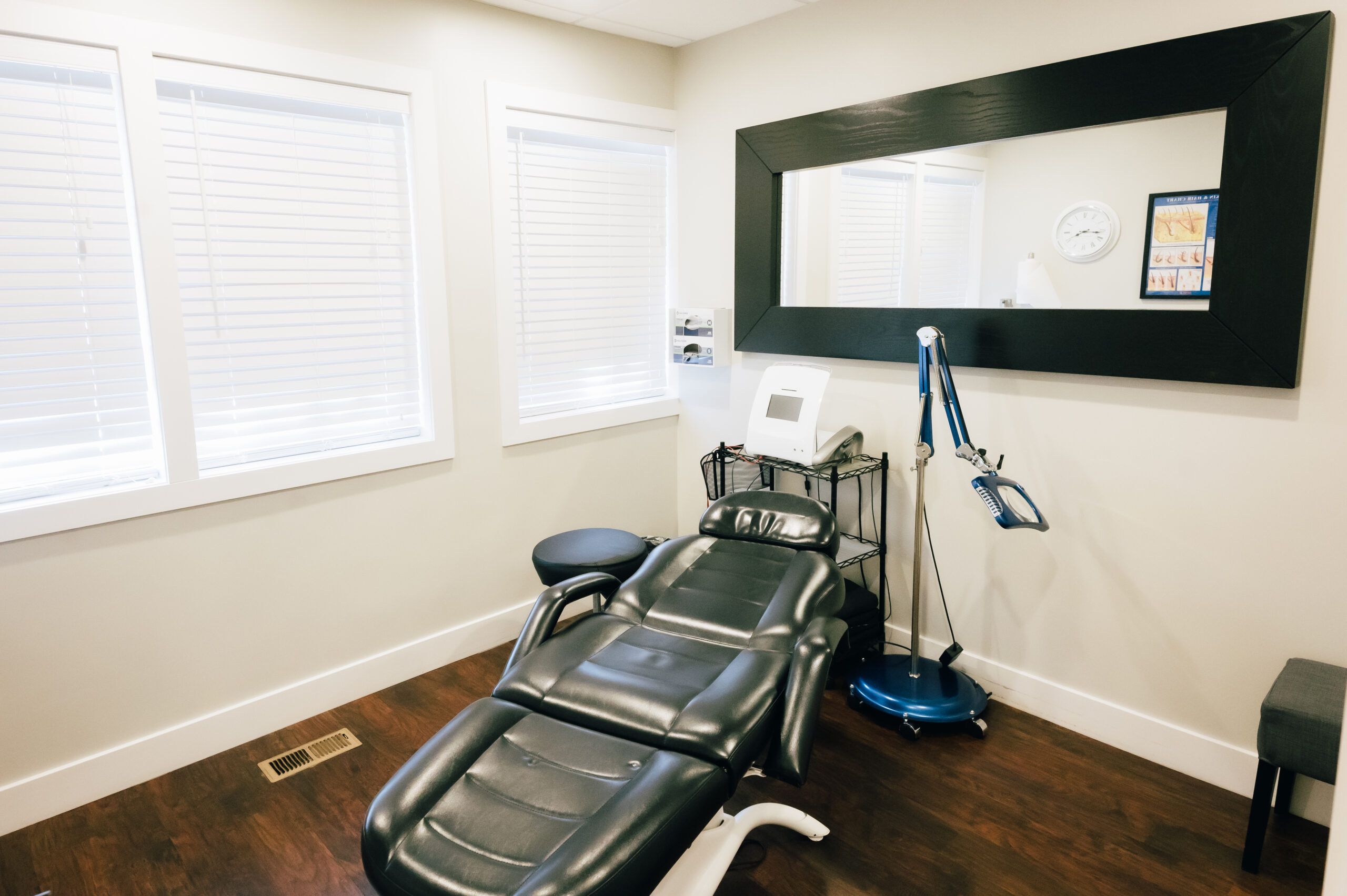
For more advanced concerns, Morpheus8V offers a deeper level of treatment. This technology combines microneedling with radio frequency to target deeper layers of tissue, promoting remodeling and rejuvenation.
It is especially helpful for individuals with more significant symptoms or those looking for comprehensive improvement.
What to Expect During Treatment
The process begins with an initial consultation, where your symptoms, concerns, and goals are discussed. From there, a personalized treatment plan is created to suit your needs.
Sessions are typically comfortable and last about 45 minutes. Most patients describe the sensation as mild and tolerable, with no significant discomfort.
Treatment Timeline and Results
Most patients benefit from a series of treatments, often around six sessions spaced over several weeks. Results are gradual, with improvements in bladder control becoming more noticeable over time.
With consistency, many women experience lasting results for 12 to 18 months. Occasional maintenance sessions can help prolong these benefits. Setting realistic expectations and sticking to the recommended plan is key to achieving the best outcome.
Benefits of Non-Surgical Treatment
Modern treatments offer several advantages compared to traditional surgical options:
- No incisions or lengthy recovery periods
- Safe, FDA-cleared technology
- Improved bladder control and muscle strength
- Boosted confidence and comfort
- Enhanced overall quality of life
Who is a Good Candidate?
Non-surgical treatments are ideal for:
- Women experiencing mild to moderate urinary leakage
- Those who have gone through pregnancy or hormonal changes
- Individuals looking to avoid surgery
- Anyone wanting to strengthen their pelvic floor and improve control
If you have noticed changes in bladder control, even small ones, it may be worth exploring your options sooner rather than later.
Take the First Step Toward Confidence
Urinary incontinence is more common than many people realize, but it is also highly treatable. You do not have to let it control your routine, limit your activities, or affect your confidence.
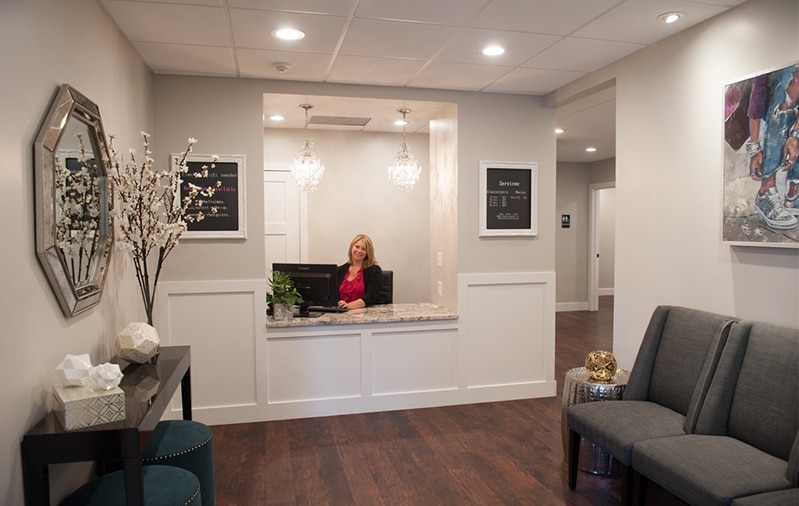
Seeking help early can make a significant difference, and today’s non-invasive treatments offer a comfortable, effective path forward. If you’re ready to feel more confident and in control, scheduling a consultation at Advanced Electrolysis & MedSpa is the first step toward finding a solution that works for you.
Contact us today to get started.